
AI Outreach Tools: Must-Have, Effortless Solutions for Best Results
AI Outreach Tools are changing how businesses connect with prospects, partners, media contacts, and customers. What once required hours of manual research, email drafting, follow-ups, and campaign tracking can now be handled faster and more intelligently with automation and machine learning. For teams that want better response rates without burning time on repetitive tasks, these tools offer a practical edge.
Modern outreach is no longer just about sending more messages. It is about sending the right message, to the right person, at the right time. That is where AI makes a real difference. Instead of relying on guesswork, teams can use data-driven insights to personalize communication, identify strong leads, optimize timing, and improve overall campaign performance.
Why Outreach Has Become More Demanding
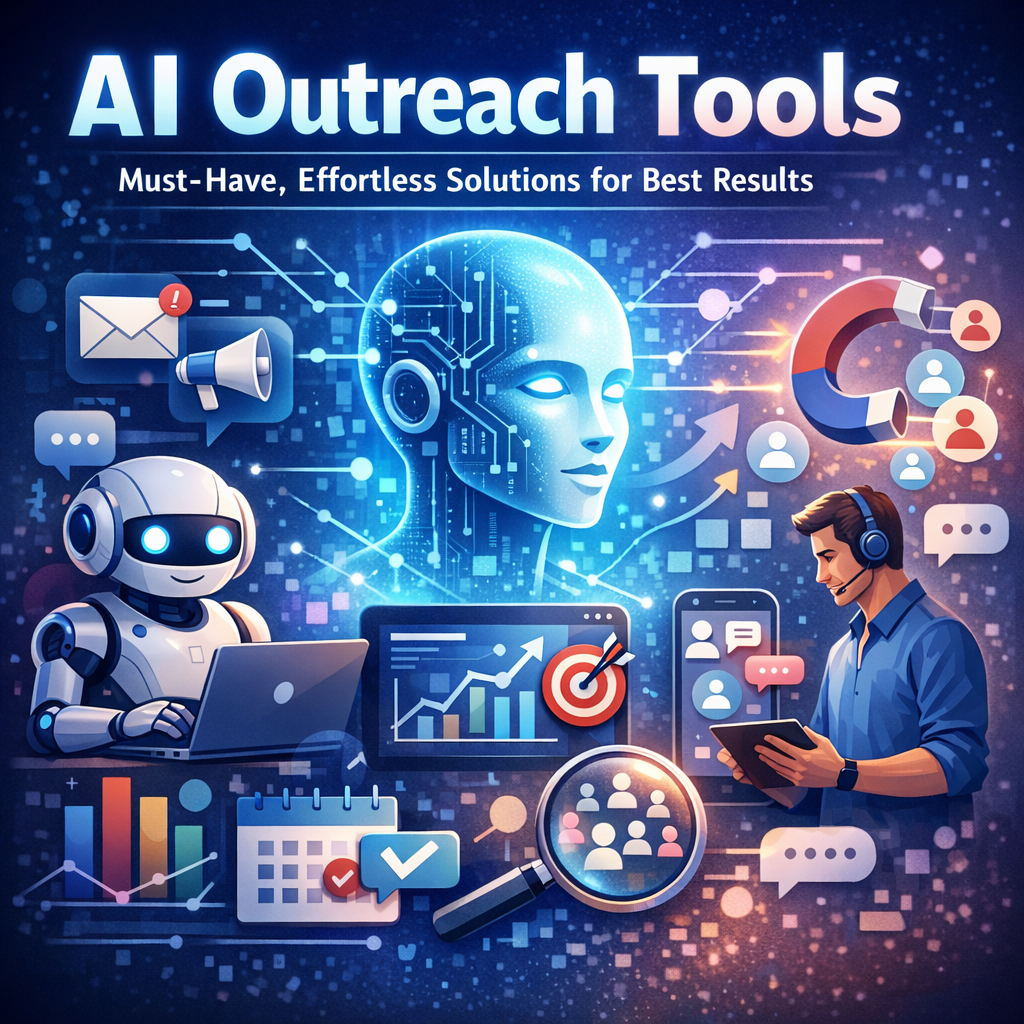
Outreach used to be simpler. A short email, a basic follow-up, and a spreadsheet were often enough to keep campaigns moving. Today, inboxes are crowded, buyers are more selective, and personalization is expected. Generic messaging gets ignored, and inconsistent follow-ups lead to missed opportunities.
Businesses now face several common outreach challenges:
– Finding qualified contacts
– Writing personalized emails at scale
– Managing multi-step follow-ups
– Tracking open, click, and reply rates
– Testing what messaging actually works
– Keeping outreach organized across teams
This growing complexity is exactly why automation and AI-driven workflows have become so valuable.
How AI Outreach Tools Improve Results
The biggest advantage of AI-powered outreach platforms is efficiency without sacrificing quality. They help teams move faster while still making communication feel relevant and human.
Here are some of the core ways they improve results:
1. Smarter Personalization
AI can analyze company data, job titles, behavior patterns, and previous interactions to help craft more relevant messages. Instead of writing every email from scratch, users can generate tailored copy that reflects the recipient’s role, pain points, or industry.
2. Better Lead Prioritization
Not every contact is equally likely to respond. AI can score leads based on engagement, firmographic data, intent signals, or historical patterns. This helps teams focus on high-value prospects first.
3. Automated Sequences
Follow-ups are critical, but they are also easy to forget. AI outreach platforms can automatically send the next message based on timing, engagement, or lack of response. This keeps campaigns active without constant manual effort.
4. Performance Insights
AI can detect what subject lines, calls to action, and send times are producing the best outcomes. Over time, campaigns become more refined and effective because decisions are based on data rather than assumptions.
5. Time Savings
Sales, marketing, PR, and recruiting teams often spend too much time on repetitive admin work. AI tools reduce that burden, freeing people to focus on strategy, conversations, and relationship building.
Key Features to Look For
Not all tools offer the same value. When evaluating options, it helps to focus on the features that directly support better outreach.
Contact Discovery and Enrichment
A good platform should help you find accurate contact information and enrich profiles with relevant details like company size, role, location, and industry.
Email Generation Assistance
AI writing support can help create first drafts, improve tone, and suggest stronger subject lines. The goal is not robotic messaging, but faster high-quality communication.
Sequence Automation
Look for tools that allow multi-step campaigns across email and, in some cases, LinkedIn or other channels. Flexible automation makes outreach more consistent.
CRM Integration
A strong outreach tool should connect smoothly with your CRM, email system, and sales stack. This reduces duplication and keeps records updated.
Analytics Dashboard
Metrics matter. Open rates, replies, bounce rates, and conversion data should be easy to track so campaigns can be improved continuously.
Compliance and Deliverability Support
Outreach only works if your messages reach inboxes and follow privacy regulations. Features that help with email warm-up, sender reputation, and compliance are worth prioritizing.
Who Benefits Most from These Tools?
AI-driven outreach is useful across multiple industries and roles.
– Sales teams use it to prospect faster and maintain better follow-up discipline.
– Marketing teams use it for partnership outreach, lead nurturing, and campaign support.
– PR professionals use it to identify journalists and personalize media pitches.
– Recruiters use it to reach candidates with tailored messages.
– Agencies and consultants use it to scale business development without adding major overhead.
In short, any team that depends on relationship-building can benefit from a more efficient outreach process.
Best Practices for Using AI Without Sounding Robotic
One common concern is that automation can make messaging feel cold or generic. That usually happens when teams rely too heavily on templates and too little on strategy.
To keep outreach effective and human:
– Use AI to draft, but review before sending
– Add specific details that show real research
– Keep messages short and clear
– Focus on the recipient’s needs, not just your offer
– Test different approaches and learn from response data
– Avoid over-automating every touchpoint
AI should support communication, not replace genuine connection. The most effective campaigns combine automation with thoughtful messaging.
Common Mistakes to Avoid
Even the best tools can underperform if used poorly. Here are some mistakes that often reduce results:
Sending Too Many Emails
Volume alone does not create success. Over-sending can hurt deliverability and damage brand perception.
Ignoring Data Quality
Bad contact data leads to bounces, low engagement, and wasted effort. Clean, verified information is essential.
Using Generic Prompts
If you ask AI to produce vague outreach, you will get vague results. Better prompts create better messaging.
Forgetting Brand Voice
Your communication should still sound like your company. AI output should be edited to reflect your tone and positioning.
Measuring the Wrong Metrics
High open rates are nice, but replies and conversions matter more. Focus on outcomes that connect to business goals.
How to Choose the Right Platform
The right tool depends on your team size, outreach goals, and workflow. Before choosing one, ask these questions:
– Do you need email-only outreach or multichannel support?
– How important is personalization at scale?
– Does the tool integrate with your current systems?
– What reporting do you need?
– Is the interface easy for your team to use?
– Can it scale as your outreach volume grows?
A smaller team may prefer simplicity and speed, while larger organizations may need advanced analytics, collaboration features, and deeper automation.
The Future of Outreach
AI is likely to make outreach even more targeted and adaptive. We can expect better intent detection, stronger personalization, smarter send-time optimization, and more advanced conversation analysis. But as these tools evolve, one principle will remain the same: relevance wins.
People respond to messages that feel useful, timely, and personal. Technology can help create that experience faster, but strong outreach will always depend on understanding the audience and offering something valuable.
Final Thoughts
AI-powered outreach has moved from a nice extra to a serious competitive advantage. It helps businesses save time, improve targeting, personalize communication, and turn outreach into a more consistent, measurable process.
When used well, these tools do not make communication less human. They remove the busywork that gets in the way of meaningful conversations. For teams that want better results with less friction, adopting a smarter outreach system is a practical next step.