
AI Academic Writing Tools: Best Must-Have Picks for Students
AI academic writing tools are changing the way students research, draft, edit, and polish their assignments. From fixing grammar mistakes to helping organize sources and improve clarity, these tools can save time while also making academic work stronger and more professional. The key is not to use them as a shortcut for thinking, but as smart assistants that support better writing habits.
Whether you are working on essays, lab reports, literature reviews, discussion posts, or dissertations, the right tools can reduce stress and improve quality. Below is a practical guide to the best options students should consider, along with tips on how to use them responsibly.
Why Students Are Turning to AI Writing Support
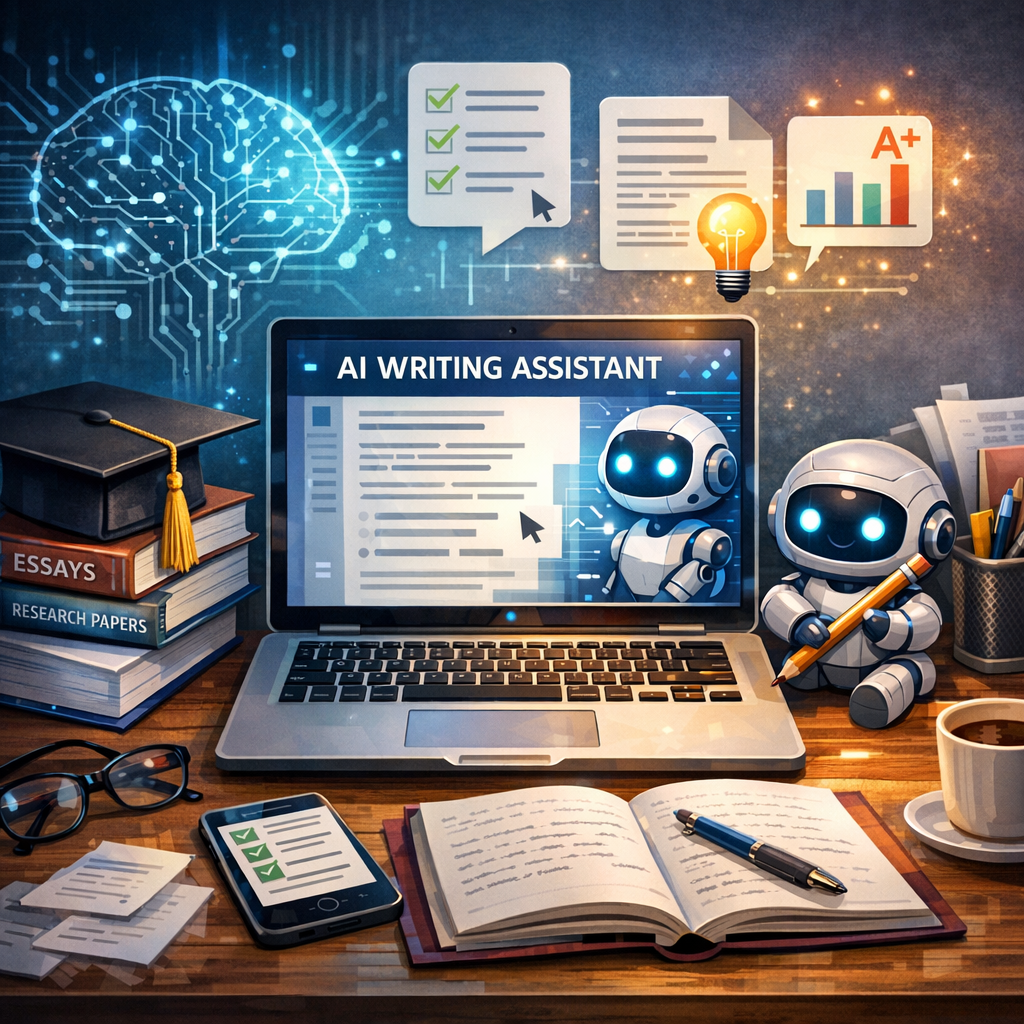
Academic writing can be demanding. Students are often expected to balance research, argument structure, citation rules, tone, grammar, and deadlines all at once. That is why AI-powered tools have become so useful.
These platforms can help students:
– Catch grammar and punctuation errors
– Improve sentence clarity and flow
– Rephrase awkward wording
– Summarize research materials
– Organize references and citations
– Brainstorm outlines and ideas
– Check for originality and consistency
The biggest advantage is efficiency. Instead of spending hours fixing small issues manually, students can focus more on analysis, evidence, and original thinking.
Best AI Academic Writing Tools for Students
1. Grammarly
Grammarly remains one of the most popular writing assistants for students, and for good reason. It checks grammar, spelling, punctuation, tone, and sentence clarity in real time. It also gives suggestions that can make academic writing sound more polished and formal.
Best for:
– Grammar correction
– Sentence clarity
– Tone adjustment
– Final proofreading
One of Grammarly’s strongest features is its ease of use. It works in browsers, word processors, and even email platforms. For students who often submit essays online, this convenience is a major plus.
That said, students should not accept every suggestion automatically. It is always important to review changes carefully, especially in formal academic work where meaning and precision matter.
2. QuillBot
QuillBot is especially helpful for paraphrasing and refining sentences. It can rewrite text in different styles, which makes it useful for students who struggle with wording or want to avoid repetitive phrasing.
Best for:
– Paraphrasing
– Summarizing text
– Improving sentence variety
– Reworking drafts
Its summarizer can also help students process long articles more quickly. However, QuillBot should be used carefully. Academic integrity matters, and paraphrased content must still reflect genuine understanding. Students should always verify that rewritten material keeps the original meaning accurate.
3. ChatGPT
ChatGPT can be a highly flexible study and writing assistant when used correctly. It can help generate essay outlines, explain difficult concepts, suggest thesis ideas, and offer feedback on draft structure.
Best for:
– Brainstorming
– Outlining papers
– Explaining academic concepts
– Generating revision ideas
It is particularly useful during the early stages of writing, when students are trying to narrow a topic or organize arguments. For example, a student can ask for possible essay structures, compare theories, or request examples of stronger topic sentences.
Still, it should not replace original research or critical thought. Facts, references, and quotations must always be checked against reliable sources before being included in academic work.
How AI Academic Writing Tools Help With Research
4. Elicit
Elicit is an excellent tool for students who need help finding and understanding research papers. It uses AI to pull information from academic sources and can help summarize findings, identify themes, and speed up literature review work.
Best for:
– Finding relevant studies
– Summarizing research papers
– Literature review support
– Research question development
For students writing research-heavy assignments, Elicit can save time during the information-gathering phase. Instead of reading every paper from start to finish immediately, students can use the tool to identify the most useful sources first.
5. Consensus
Consensus is another strong option for research support. It focuses on scientific and academic evidence, helping students search for research-backed answers to questions.
Best for:
– Evidence-based research
– Quick source discovery
– Understanding academic consensus
– Topic exploration
This tool is especially helpful for students in science, psychology, health, and social science fields. It offers a more research-centered experience than general search engines and can make it easier to find credible academic material.
Tools for Citations and Source Management
6. Zotero
Zotero is not usually described as a traditional writing assistant, but it is one of the most essential academic tools a student can have. It helps collect, organize, and cite sources efficiently.
Best for:
– Managing references
– Creating bibliographies
– Organizing PDFs and research
– Supporting citation styles like APA, MLA, and Chicago
A common academic writing problem is losing track of sources or formatting citations incorrectly. Zotero solves that by keeping everything in one place. For students writing long papers, this can dramatically reduce frustration.
7. Mendeley
Mendeley is another excellent citation and reference manager. It offers many of the same benefits as Zotero, with additional features for collaboration and research organization.
Best for:
– Reference management
– Annotation and note-taking
– Collaborative research projects
– Building a personal research library
Students working on group projects or research papers often find Mendeley especially useful because it combines source storage with practical workflow tools.
Editing and Originality Checking Tools
8. Hemingway Editor
Hemingway Editor is ideal for students who want clearer, more readable writing. It highlights complex sentences, passive voice, and unnecessary words.
Best for:
– Simplifying writing
– Improving readability
– Reducing overly complicated phrasing
– Tightening academic drafts
Many students think academic writing has to sound complicated. In reality, strong academic writing is clear and direct. Hemingway helps identify where sentences may be too dense or confusing.
9. Turnitin
Turnitin is widely used by schools and universities to check originality. While students often encounter it as a submission system, it also serves as a reminder of why proper citation and authentic writing matter.
Best for:
– Similarity checking
– Academic integrity support
– Identifying citation problems
– Reviewing originality concerns
Students should view originality tools not as something to fear, but as part of the writing process. They help ensure that sources are credited correctly and that the final work reflects genuine scholarship.
How to Use These Tools Responsibly
AI can make writing faster, but responsible use is essential. These tools work best when they support learning rather than replace it.
Here are a few smart practices:
– Use AI to improve your ideas, not generate your entire assignment
– Verify every fact, quote, and citation
– Follow your school’s AI use policy
– Keep your own voice and analysis at the center
– Treat AI suggestions as optional, not automatic
The most successful students use AI as an editor, coach, and organizer—not as the author.
Choosing the Right Tool for Your Needs
Not every student needs every platform. The best combination depends on your coursework and writing style.
A simple setup could look like this:
– Grammarly for proofreading
– QuillBot for sentence refinement
– ChatGPT for brainstorming and outlining
– Zotero for references
– Elicit or Consensus for research discovery
If you write often, this mix can improve both speed and quality without overwhelming your workflow.
Final Thoughts
Today’s students have access to more writing support than ever before. The best tools do more than catch mistakes—they help users think more clearly, stay organized, and communicate ideas effectively. When chosen carefully and used ethically, they can become valuable academic partners.
The goal is not just to finish assignments faster. It is to write better, learn more deeply, and build stronger academic confidence over time.