
AI Photo Editor: Best Must-Have Tool for Stunning Edits
AI photo editor technology has changed the way people enhance, retouch, and transform images. What once required advanced design skills, expensive software, and hours of manual work can now be done in minutes with smart automation. From removing backgrounds and improving lighting to restoring old images and creating professional-looking portraits, these tools make high-quality editing faster and more accessible than ever.
Whether you are a content creator, business owner, photographer, or casual social media user, intelligent editing software can help you produce polished visuals without a steep learning curve. As visual content becomes more important across websites, marketing campaigns, and personal branding, having a reliable editing solution is no longer a luxury. It is a practical advantage.
Why Smart Editing Tools Matter Today
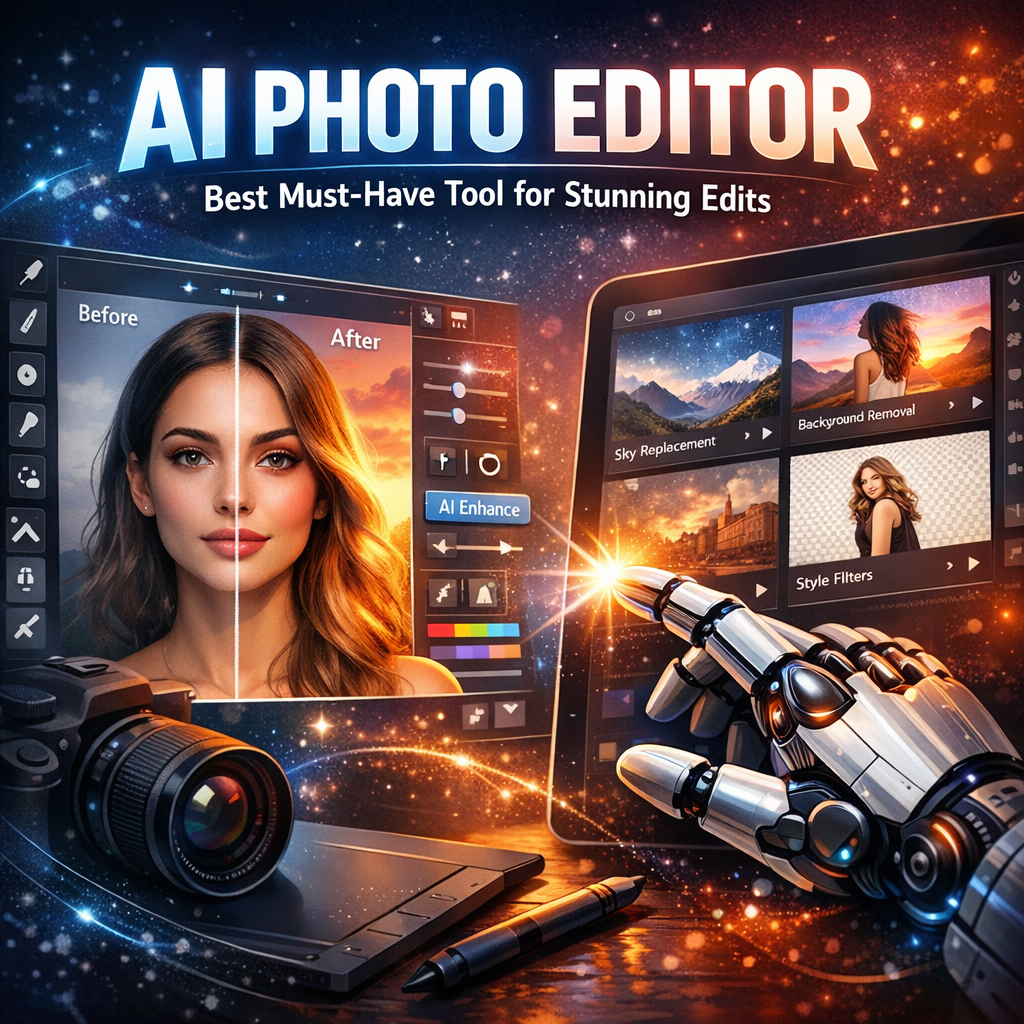
Images have become one of the most powerful forms of communication online. A sharp, clean, and visually appealing photo can instantly capture attention, build credibility, and improve engagement. On the other hand, poorly edited or low-quality visuals can weaken a message, even if the content itself is strong.
This is where modern editing platforms stand out. They analyze your image, detect objects, understand lighting conditions, and apply enhancements automatically. Instead of spending time learning complex layers and technical controls, users can rely on intelligent suggestions and one-click improvements.
These tools are especially useful for:
– Social media posts
– Product photography
– Blog and website visuals
– Marketing materials
– Personal portraits
– Event and travel photos
The ability to produce professional-looking results quickly makes them a must-have for both individuals and businesses.
Key Benefits of an AI Photo Editor
Faster Editing Workflow
One of the biggest advantages is speed. Traditional editing often involves multiple steps, including cropping, exposure correction, retouching, masking, and color balancing. Smart photo tools simplify these tasks with automated adjustments and presets that deliver strong results in seconds.
For busy professionals, this saves valuable time. For beginners, it removes the intimidation that often comes with advanced design software.
Easy Background Removal
Background removal used to be a tedious process, especially when working with hair, textured clothing, or complex edges. Today, intelligent tools can identify the subject and separate it from the background with impressive accuracy. This is ideal for e-commerce, profile pictures, advertisements, and creative designs.
Portrait Enhancement
Many platforms offer features specifically designed for faces and portraits. These may include skin smoothing, blemish removal, teeth whitening, eye brightening, and lighting improvements. The best part is that these edits can still look natural when used properly.
This is helpful for influencers, professionals updating profile photos, and anyone who wants a cleaner, more polished portrait without over-editing.
Photo Restoration and Repair
Older photos often suffer from scratches, fading, blur, or low resolution. Intelligent restoration features can sharpen details, restore color, reduce noise, and even repair damaged areas. This makes them useful not only for current content creation but also for preserving memories.
Creative Effects Without Complexity
Many users want more than corrections; they want style. Smart editing platforms often include artistic filters, sky replacement, color grading suggestions, and scene enhancement tools that make creative editing far easier. Instead of manually building an effect from scratch, users can explore multiple visual styles with just a few clicks.
How an AI Photo Editor Helps Different Users
For Content Creators
Creators need eye-catching visuals to stand out in crowded feeds and platforms. Quick edits, consistent color styles, and easy retouching help maintain a professional aesthetic. With smarter editing tools, creators can spend less time editing and more time producing content.
For Small Businesses
Small businesses often do not have the budget for a full-time designer or professional photographer. These tools make it easier to improve product images, create promotional graphics, and maintain a polished brand presence online. Better visuals can lead to stronger first impressions and improved customer trust.
For Professional Photographers
Even skilled photographers can benefit from automation. Culling, color correction, skin retouching, and basic cleanup can be streamlined, allowing professionals to focus on the artistic side of their work. It is not about replacing expertise but improving efficiency.
For Everyday Users
Not everyone wants to learn advanced editing techniques. Many people simply want their vacation photos, family portraits, or casual snapshots to look better. Smart software offers an easy way to upgrade photos without requiring technical knowledge.
Features to Look for Before Choosing a Tool
Not all editing platforms offer the same experience. When comparing options, it helps to focus on features that match your needs.
Look for tools that provide:
– Automatic enhancement
– Background removal
– Portrait retouching
– Object removal
– Noise reduction
– Upscaling or image sharpening
– Batch editing
– Mobile and desktop compatibility
– User-friendly interface
– Export options for web and print
If you edit frequently, batch processing can be especially valuable. If you create content on the go, a strong mobile app may matter more than advanced desktop controls.
Tips for Getting the Best Results
Even though automation makes editing easier, thoughtful use still matters. Here are a few simple tips:
1. Start with the best original image possible. Good lighting and composition still make a difference.
2. Avoid over-editing. Natural-looking improvements often work better than extreme changes.
3. Use manual controls when needed. Automation is helpful, but fine-tuning can improve the final result.
4. Keep consistency in mind. If you are editing images for a brand or social feed, use similar tones and styles.
5. Compare before and after versions. This helps you judge whether the edit enhances the image or takes away from it.
The Future of Photo Editing
Editing technology continues to evolve rapidly. New tools are becoming better at understanding scenes, identifying people and objects, and applying highly targeted improvements. We are also seeing more personalized editing recommendations, voice-guided controls, and seamless integration with design and content platforms.
As these features improve, users can expect editing to become even more intuitive. Instead of spending time learning complicated systems, people will be able to focus more on storytelling, branding, and creativity.
Final Thoughts
A great image can make a lasting impression, and modern editing tools make it easier than ever to achieve that result. They save time, reduce technical barriers, and open up creative possibilities for users of all skill levels. From quick touch-ups to complete visual transformations, these platforms have become an essential part of digital content creation.
For anyone who wants better photos with less effort, investing time in the right solution can make a noticeable difference. The right tool does more than improve an image; it helps bring your vision to life with speed, confidence, and style.