
AI Employee Analytics Tools: Best Must-Have Solutions for Growth
AI employee analytics tools are changing the way companies understand performance, engagement, productivity, and workforce trends. Instead of relying only on instinct or outdated reports, businesses can now use intelligent systems to turn employee data into practical decisions. For growing organizations, these tools are no longer a luxury. They are becoming an essential part of building stronger teams, improving retention, and creating a more efficient workplace.
Modern businesses generate a huge amount of workforce data every day. Attendance records, engagement surveys, communication patterns, learning progress, productivity metrics, and turnover data all offer valuable insight. The challenge is not collecting the data. The challenge is making sense of it quickly enough to act on it. That is where AI-powered analytics solutions stand out.
Why AI Matters in Workforce Analytics
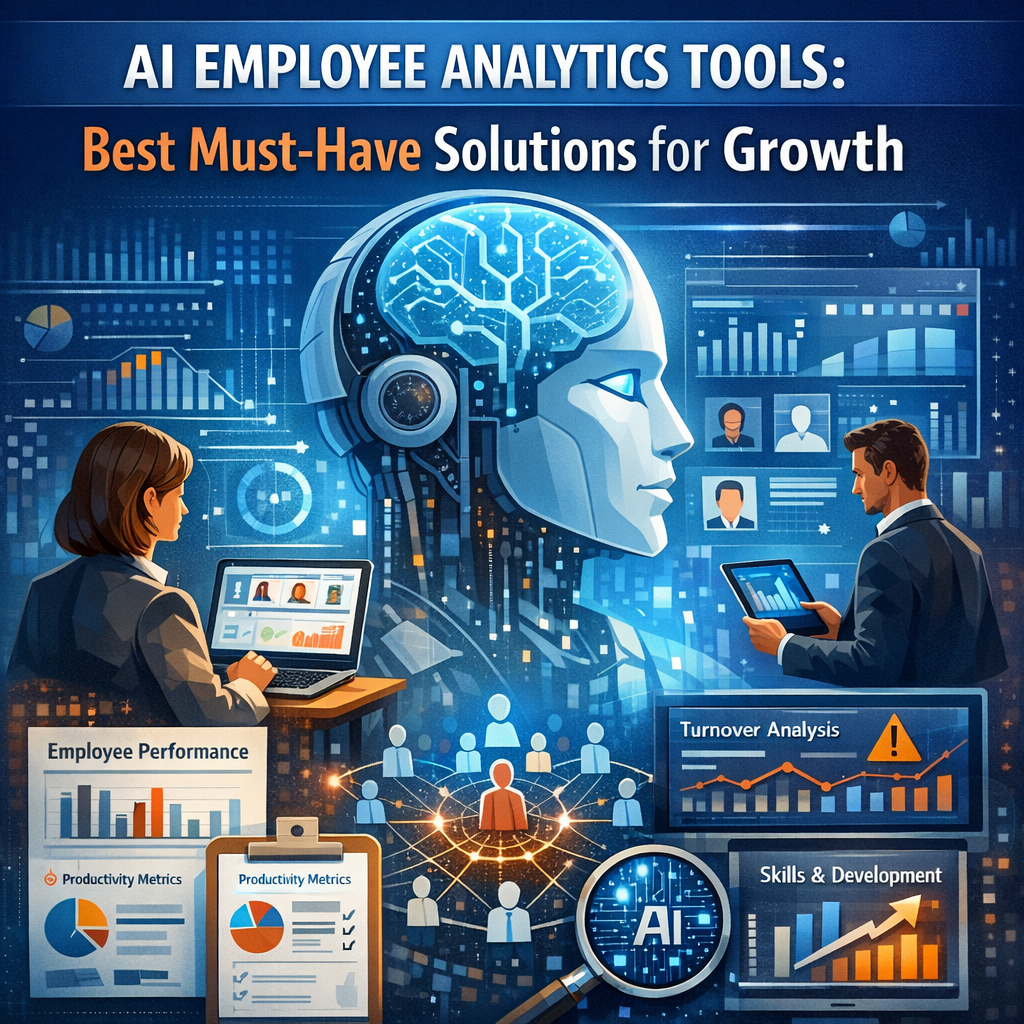
Traditional HR reporting often tells leaders what happened in the past. AI goes a step further by helping explain why something happened and what is likely to happen next. This shift from reactive reporting to predictive insight gives businesses a major advantage.
For example, AI can identify patterns linked to burnout, detect teams at high risk of turnover, and highlight performance gaps before they become costly problems. It can also uncover what drives top-performing employees so that those strategies can be repeated across the business.
This matters for growth because companies expand faster when they can keep talent, improve employee experience, and make smarter people decisions. Strong workforce analytics helps leaders do all three.
Must-Have Features in AI Employee Analytics Tools
Not every platform delivers the same value. The best solutions combine automation, deep analysis, and easy-to-read reporting. When evaluating options, there are several core capabilities worth prioritizing.
1. Predictive Workforce Insights
One of the most valuable features is predictive analytics. Instead of simply showing current numbers, the tool should forecast future trends such as employee turnover, absenteeism, hiring needs, and performance risks. This allows leaders to plan ahead rather than constantly reacting.
2. Real-Time Dashboards
A strong analytics platform should offer dashboards that are simple, visual, and updated in real time. Managers and HR teams need fast access to trends without sorting through complex spreadsheets.
3. Sentiment and Engagement Analysis
AI can analyze employee feedback from surveys, pulse checks, internal messages, and open-text comments. This helps companies understand morale, culture issues, and employee concerns in a more detailed way than simple satisfaction scores.
4. Performance Pattern Detection
The right solution can reveal patterns in productivity, collaboration, goal completion, and skill development. This makes it easier to identify top performers, spot struggling teams, and create more targeted support plans.
5. Integration Across HR Systems
A tool becomes far more useful when it connects with payroll, HRIS platforms, performance management systems, learning platforms, and collaboration software. Integrated data creates a fuller picture of the employee experience.
6. Privacy and Ethical Controls
Workforce data is sensitive. Businesses should choose tools that offer strong privacy safeguards, role-based access, compliance support, and transparent AI decision-making. Trust is critical when handling employee information.
Best Types of Solutions for Business Growth
There is no single “best” platform for every company. The right fit depends on size, goals, and existing systems. However, the most valuable categories of tools usually fall into these groups.
AI Employee Analytics Tools for Engagement and Retention
These solutions focus on employee sentiment, feedback, well-being, and turnover risk. They help leaders understand how people feel at work and why employees stay or leave.
For growing companies, retention is one of the biggest challenges. Replacing skilled employees takes time and money, while lost knowledge slows progress. Tools in this category can identify early warning signs of disengagement, helping teams take action before valuable talent walks away.
Examples of value:
– Detecting low morale in specific departments
– Tracking manager effectiveness
– Predicting turnover risk
– Highlighting culture issues early
Performance and Productivity Analytics Platforms
These tools help businesses understand how work gets done. They analyze goals, output, collaboration patterns, and efficiency data to uncover what drives high performance.
Used correctly, these platforms can improve resource planning, reduce bottlenecks, and support coaching efforts. The goal should not be surveillance. It should be clarity. The best systems help leaders remove obstacles and support better work habits.
Examples of value:
– Identifying workflow inefficiencies
– Measuring the impact of training
– Recognizing high-performing teams
– Improving goal alignment
Talent Development and Skills Intelligence Tools
Growth depends on having the right skills in the organization. AI-based talent analytics tools can assess current capabilities, identify skill gaps, recommend training, and even suggest internal mobility opportunities.
This is especially useful for organizations trying to scale without always hiring externally. If leaders know which employees are ready for new responsibilities, promotions, or reskilling programs, they can grow talent from within.
Examples of value:
– Mapping future skill needs
– Recommending personalized learning paths
– Supporting succession planning
– Matching employees to internal opportunities
Recruitment and Hiring Analytics Solutions
Hiring mistakes can slow growth and hurt team performance. AI hiring analytics tools help businesses evaluate sourcing channels, time-to-hire, candidate quality, and interview outcomes. Some tools also identify patterns that lead to better hiring decisions.
For fast-growing companies, recruitment analytics can shorten hiring cycles while improving fit and reducing bias when used responsibly.
Examples of value:
– Tracking recruitment funnel performance
– Identifying top candidate sources
– Forecasting hiring demand
– Improving quality of hire
How to Choose the Right Platform
Choosing the right solution starts with a clear business objective. Some companies need better retention insight. Others need productivity data, hiring intelligence, or a complete workforce view. Without a defined goal, it is easy to invest in a platform with impressive features that adds little practical value.
A good selection process should include:
– Clear use cases tied to business goals
– Easy integration with existing systems
– Strong data security and compliance features
– User-friendly dashboards for HR and managers
– Transparent AI models and reporting logic
– Scalability as the business grows
It is also wise to involve HR, IT, legal, and leadership early in the decision. Employee analytics affects multiple parts of the organization, so alignment matters.
Best Practices for Successful Implementation
Even the best technology will fall short if it is poorly introduced. Companies should start with a focused rollout instead of trying to analyze everything at once. A pilot program in one department or use case often works better than a full-scale launch.
Communication is equally important. Employees should understand what data is being used, why it matters, and how the business will protect privacy. When teams see analytics as a tool for support rather than monitoring, adoption improves.
To get the most value, businesses should:
– Set clear metrics for success
– Train managers to interpret data correctly
– Review insights regularly, not just quarterly
– Combine AI findings with human judgment
– Adjust strategies based on what the data reveals
Final Thoughts
AI is helping businesses move from guesswork to evidence-based workforce decisions. With the right analytics solutions, organizations can improve engagement, strengthen retention, develop talent, and support sustainable growth. The strongest platforms do not just generate reports. They help leaders act with confidence.
As companies become more data-driven, employee analytics will play a bigger role in shaping culture, performance, and long-term success. Businesses that invest thoughtfully in these tools now will be better prepared to build resilient teams and grow with clarity.